Farafra is the least populated and most isolated of Egypt's main oases, a cluster of palm groves and mud-brick houses sitting on its own in the Western Desert, roughly halfway between Bahariya and Dakhla. Many travellers pass through on their way to or from the White Desert, which begins a short drive to the north, but Farafra itself has enough to fill a day or two on its own: a warm spring you can soak in after dark, an old town built largely from mud brick, and a one-man museum of sculpture that has become something of a local institution. This Farafra travel guide sets out what the oasis offers in its own right, how long to give it, and how it fits around the White Desert trip that many visitors are really there for.
Why visit Farafra
Farafra Egypt sees far fewer visitors than Bahariya or Siwa, and it shows: there is no real tourist strip, just a small town whose old mud-brick houses are built up against a hillside around its old fortress, a scattering of eco-lodges, and date palm gardens that run out towards the desert around the town. The appeal is the quiet and the contrast. By day you can be among the white chalk sculptures of the desert; by evening you are soaking in a warm spring under a sky with very little light pollution. For travellers who want a quieter base than Bahariya for the White Desert, Farafra is the calmer choice.
The sights that matter most in this Farafra travel guide
Bir Sitta hot spring
Bir Sitta, meaning "well number six", is Farafra's best-known hot spring and the one most visitors head for. It is a hot, sulphurous artesian spring about 6 km west of Farafra, piped into a small concrete pool that visitors soak in, with the warm overflow running on into a larger tank. Late afternoon or after dark, when the air is cooler, is a good time to visit, when the contrast with the warm water is at its best. An hour or two at the spring is usually enough before heading back into town or on to camp.
Qasr Farafra, the old town
The old quarter of Farafra, Qasr Farafra, is a huddle of mud-brick houses with narrow covered lanes, built this way originally for shade and defence, set against the hillside around the remains of the old fortress. Much of it is no longer lived in, since residents have moved into newer concrete housing nearby, but the old town survives well enough to walk through in half an hour or so, with a guide pointing out the layout of the original settlement and the palm-log beams still holding up the roofs.
Badr's Museum
Badr's Museum is a small, privately run gallery in Farafra showing the mud and clay sculpture of local artist Badr Abdel Moghny, whose work depicts oasis life, local faces and village scenes. The building itself is built of mud brick, in keeping with the rest of the old town, while the sculptures inside are worked from mud, clay, sand and stone. It is an unusual stop for a desert itinerary and a good way to understand how Farafra's community sees itself, rather than only how visitors pass through it. Allow thirty to forty-five minutes.
The palm groves and the market
Farafra's cultivated land, fed by artesian wells rather than the Nile, supports date palms, olive trees and small vegetable plots that ring the town. A slow walk or short drive through the gardens, combined with a stop near the centre of town, gives a sense of how the oasis actually functions day to day, and takes an hour or so if done unhurried.
Visiting the Farafra White Desert
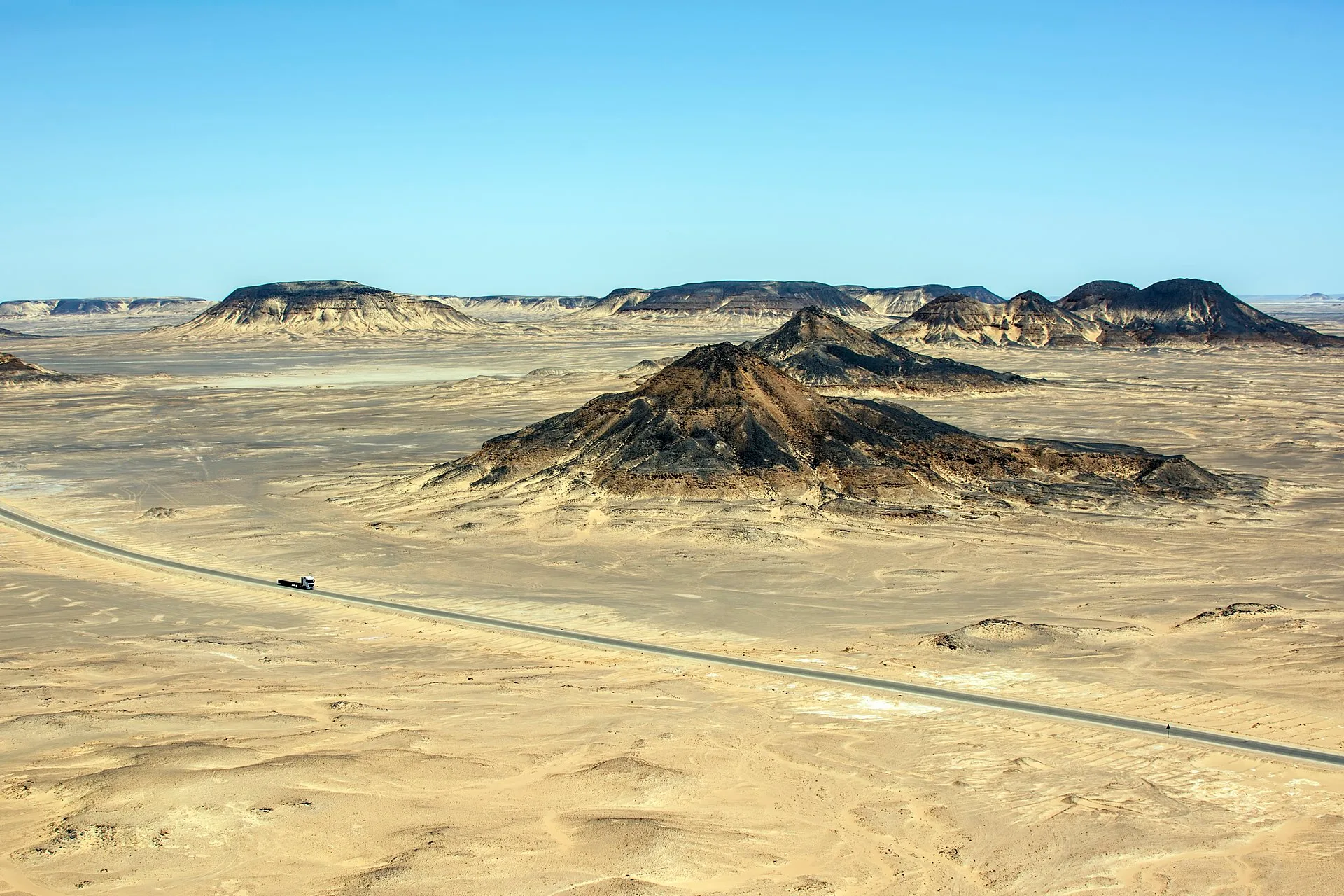
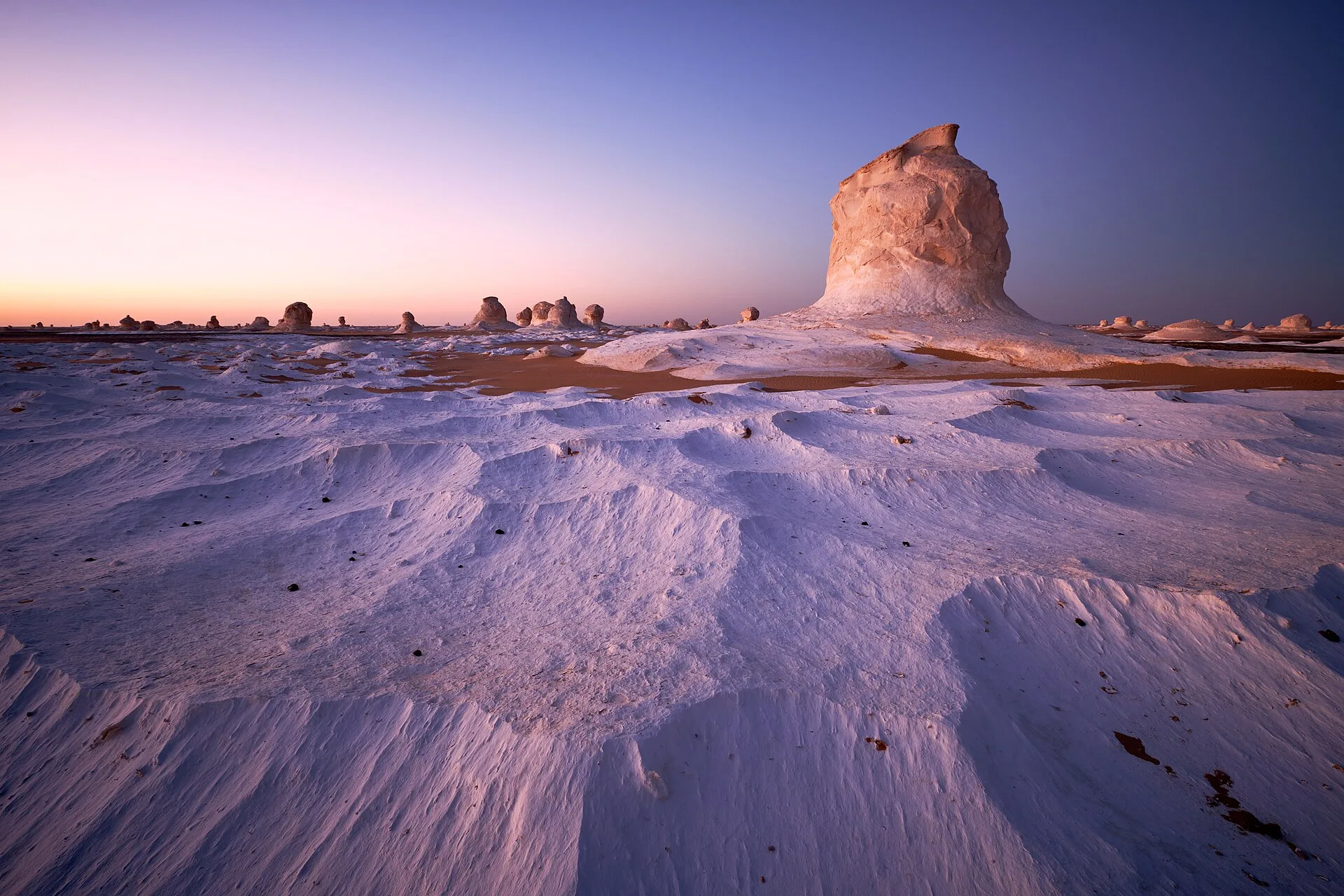
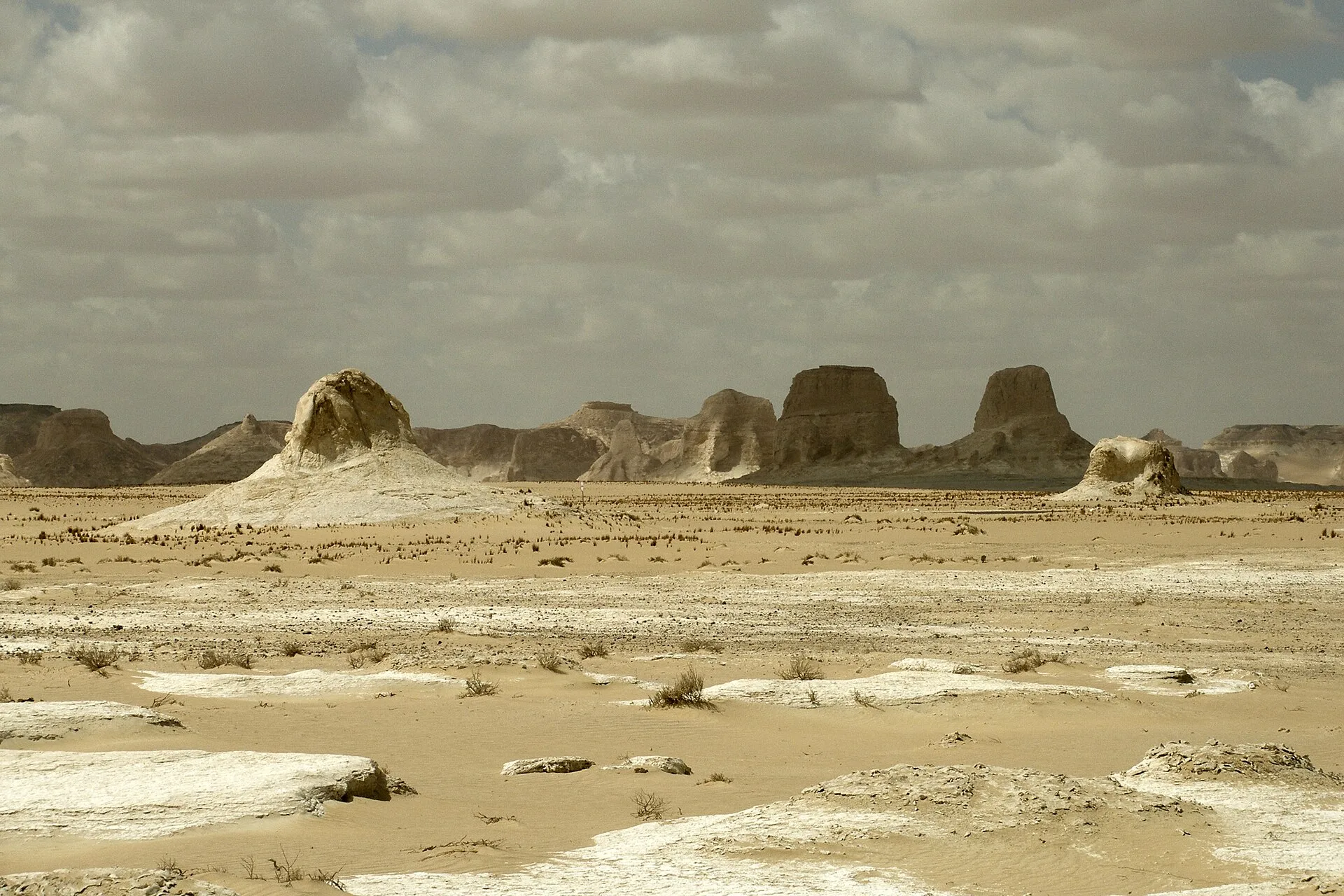
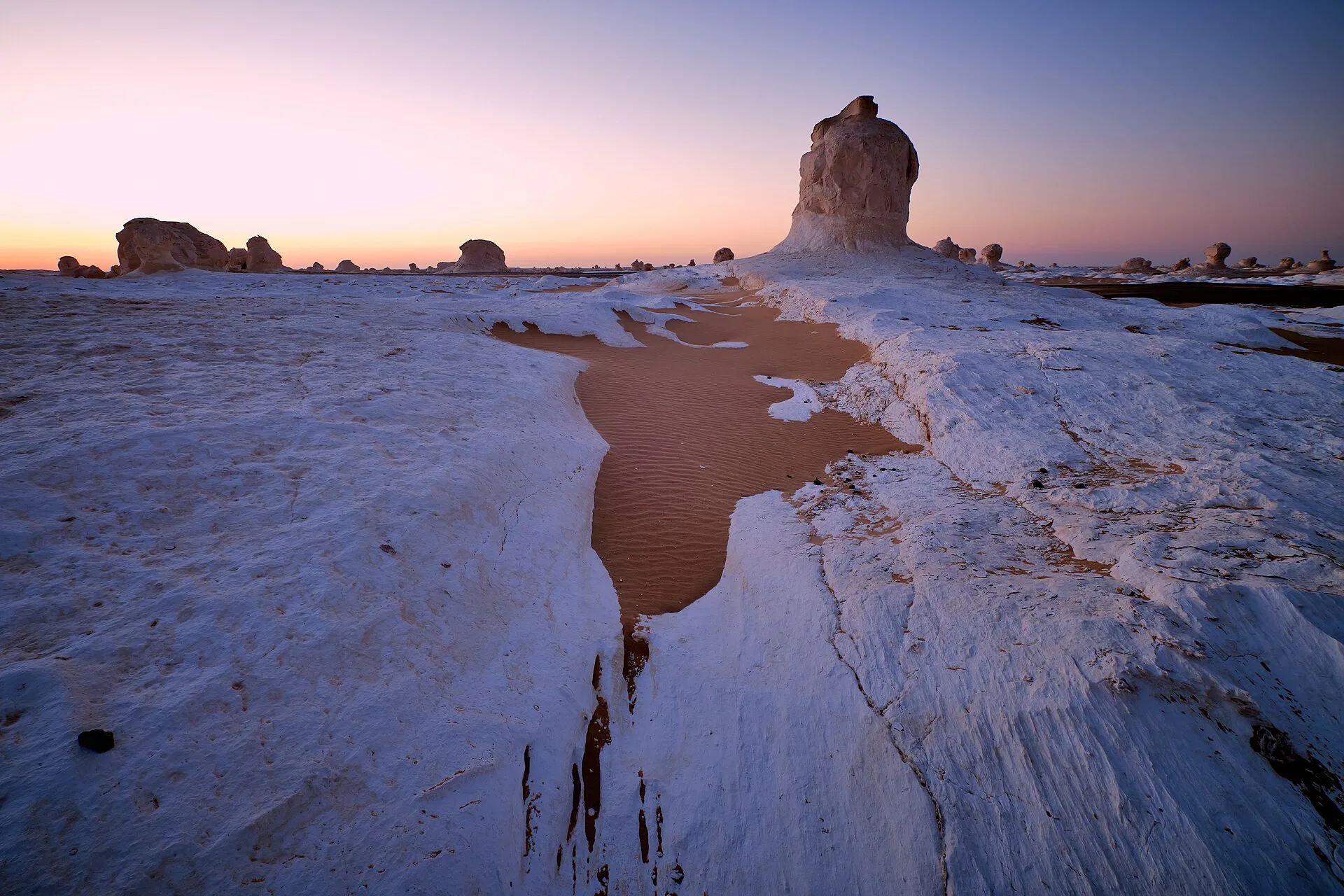
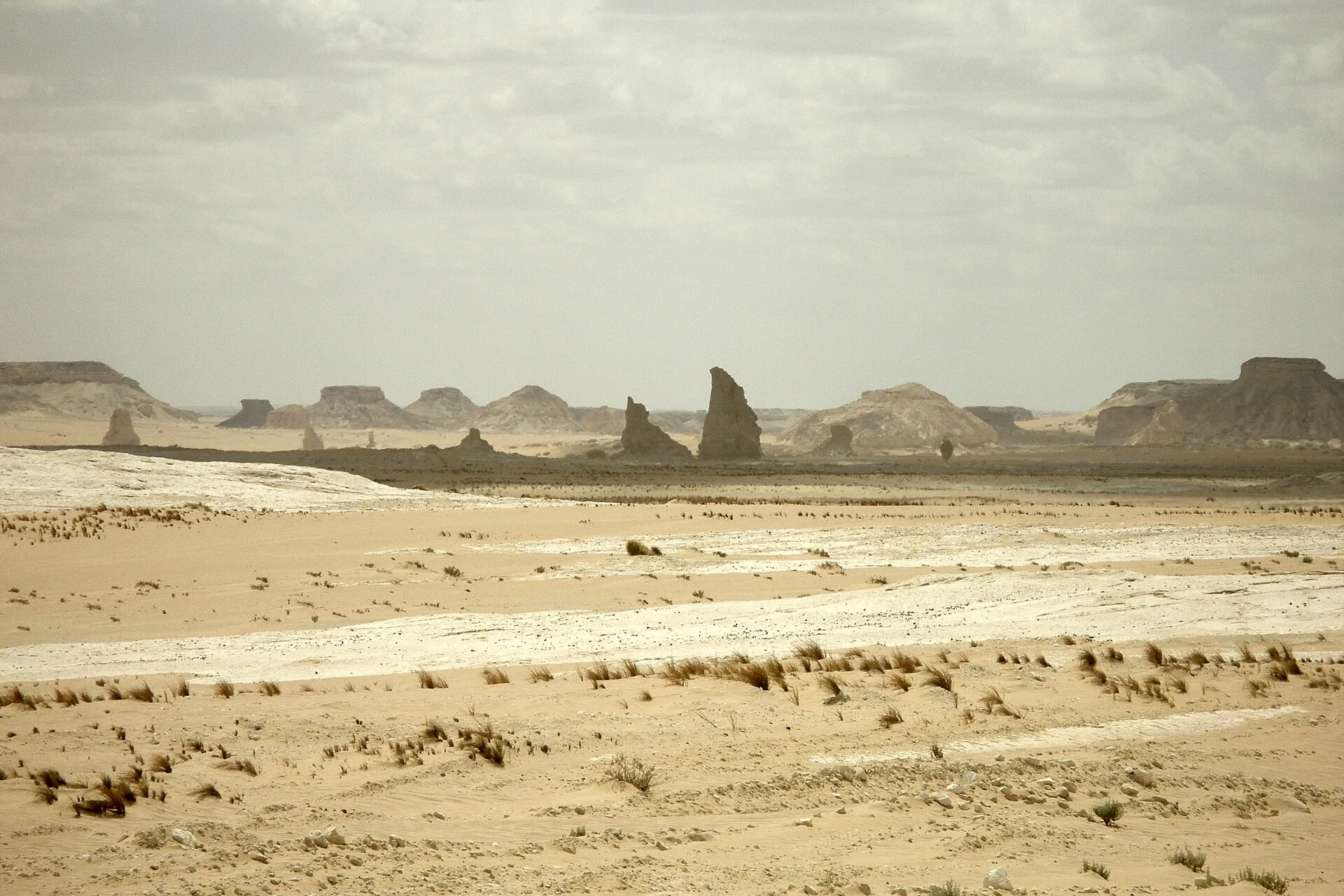
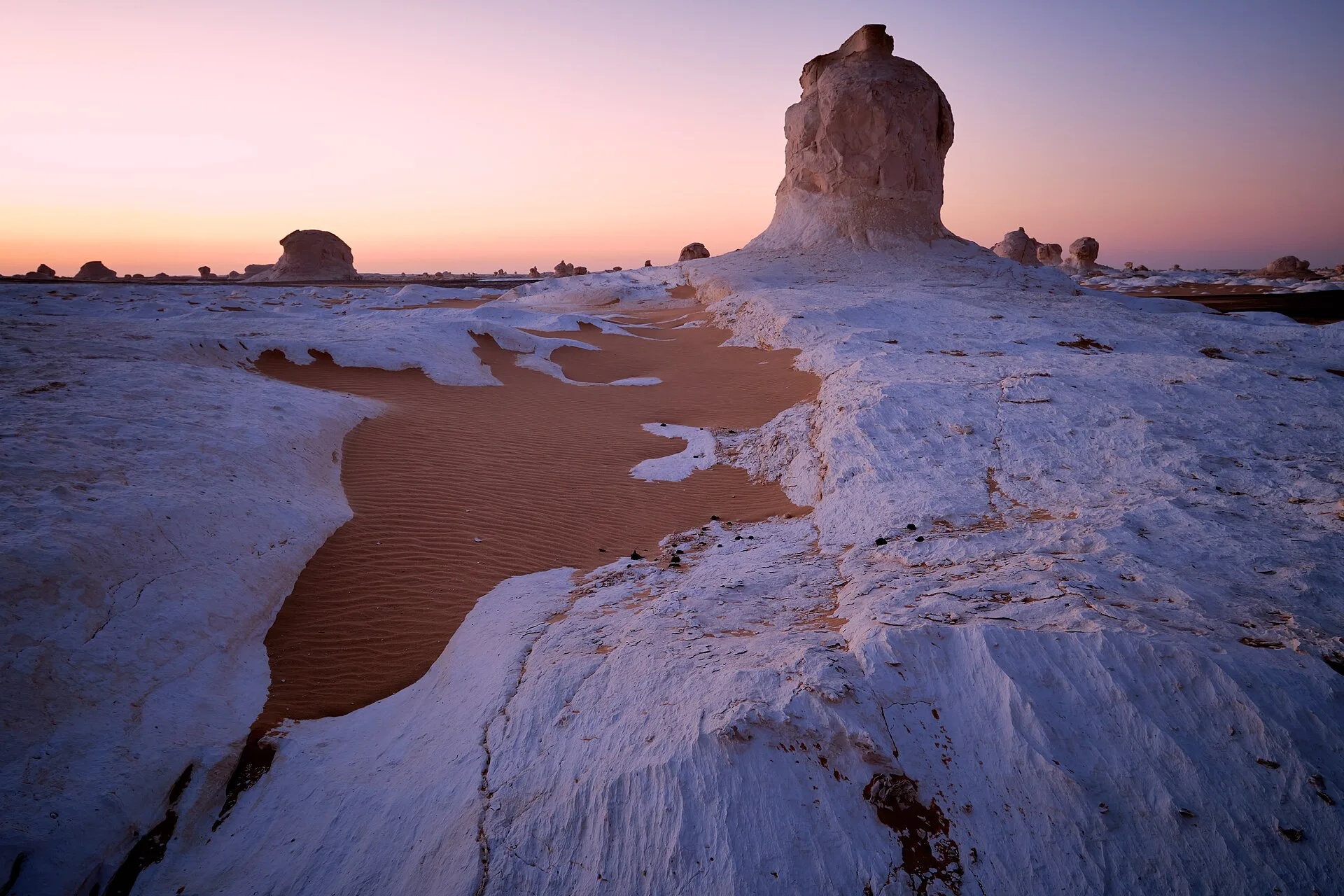
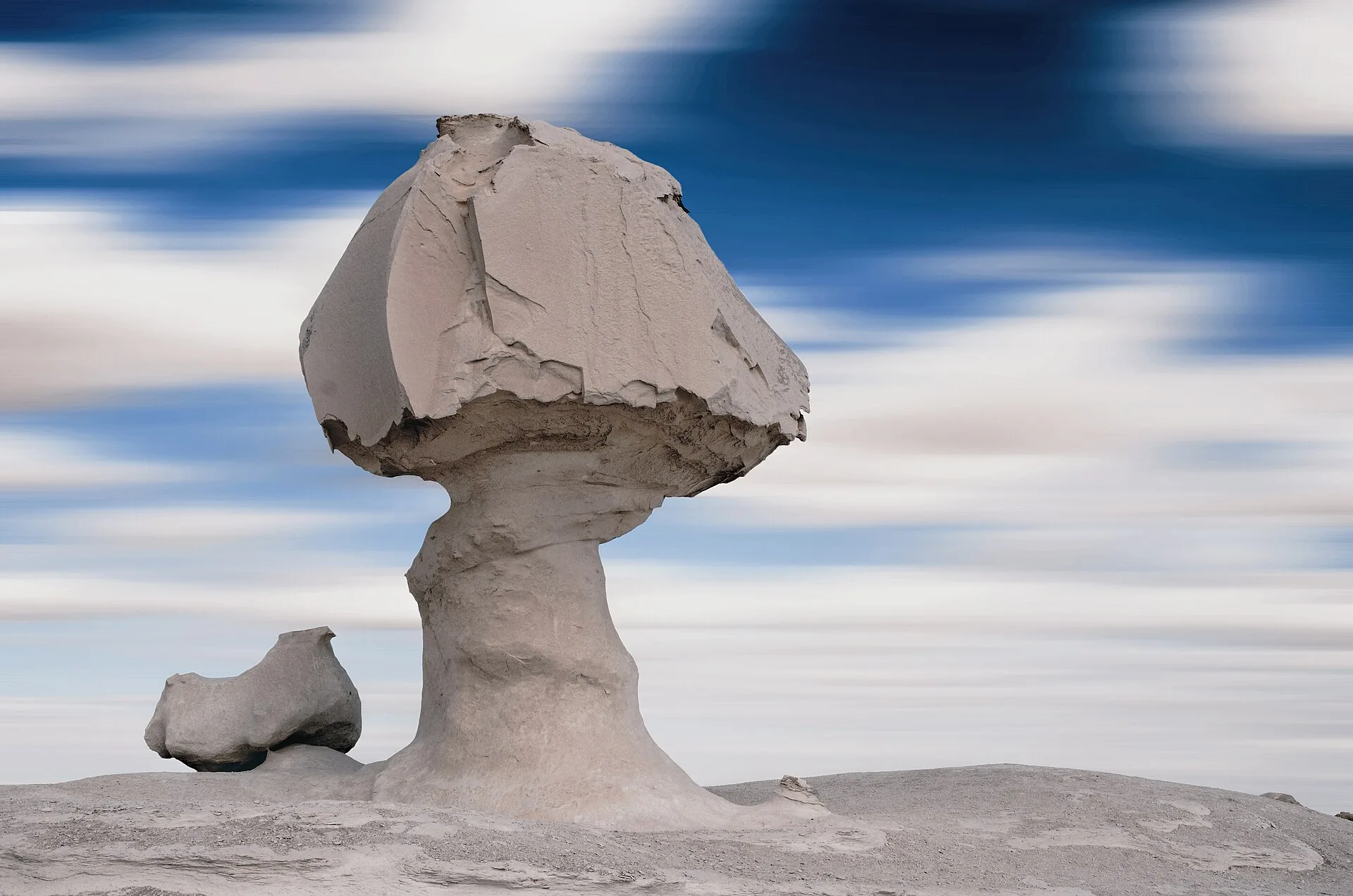
The Farafra White Desert is the chalk-white protected area that begins north of the oasis, known for wind-carved formations that look like mushrooms, icebergs and animals scattered across a pale, open landscape. Many visitors see it as an overnight camping trip, arriving from Bahariya or from Farafra: an afternoon drive in to watch the light change over the rock formations at sunset, a night camping among them, and a sunrise before heading back. A single overnight is the usual arrangement and gives time to see the main formations without rushing; longer 4x4 routes exist for travellers who want to explore further into the park.
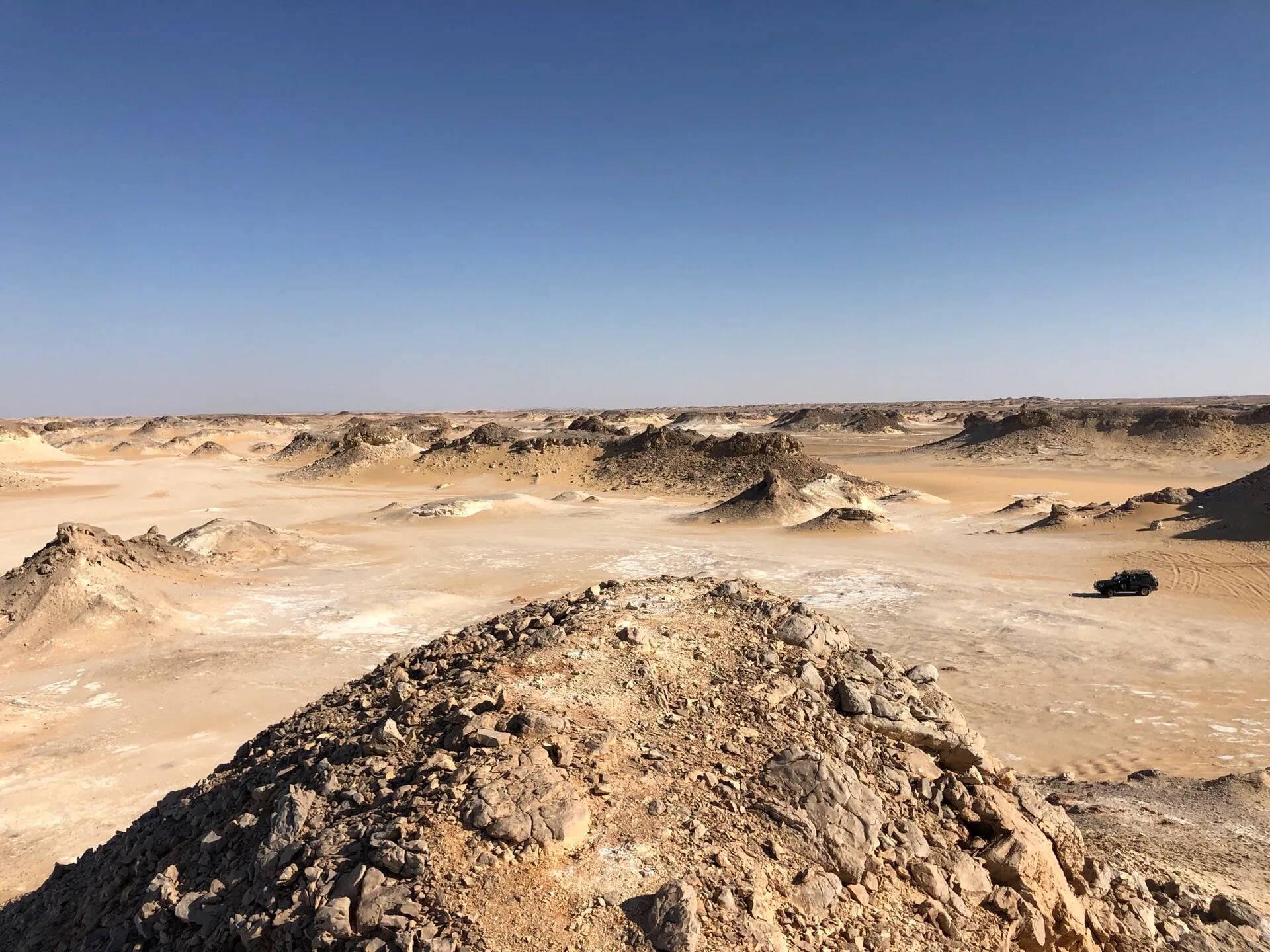
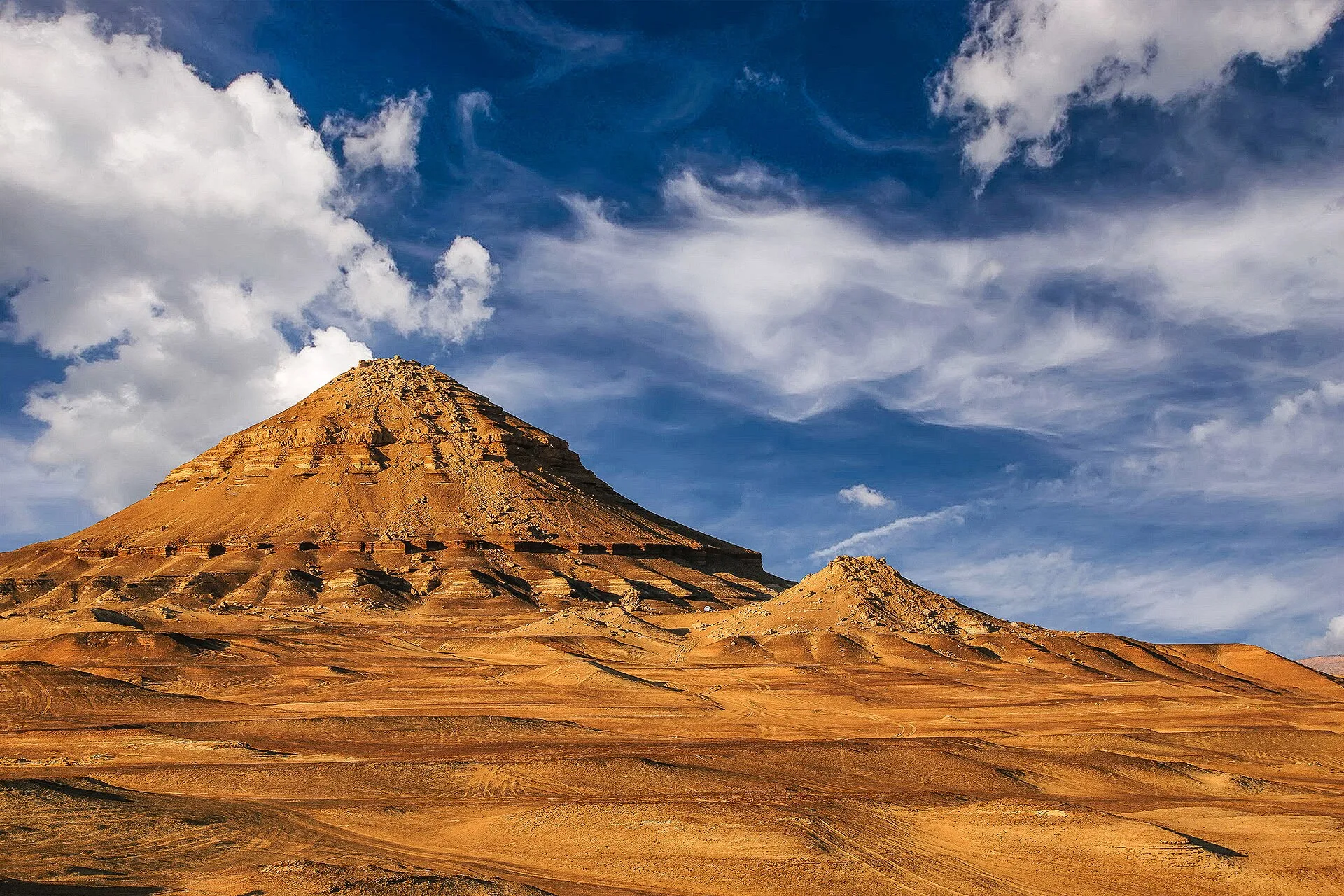
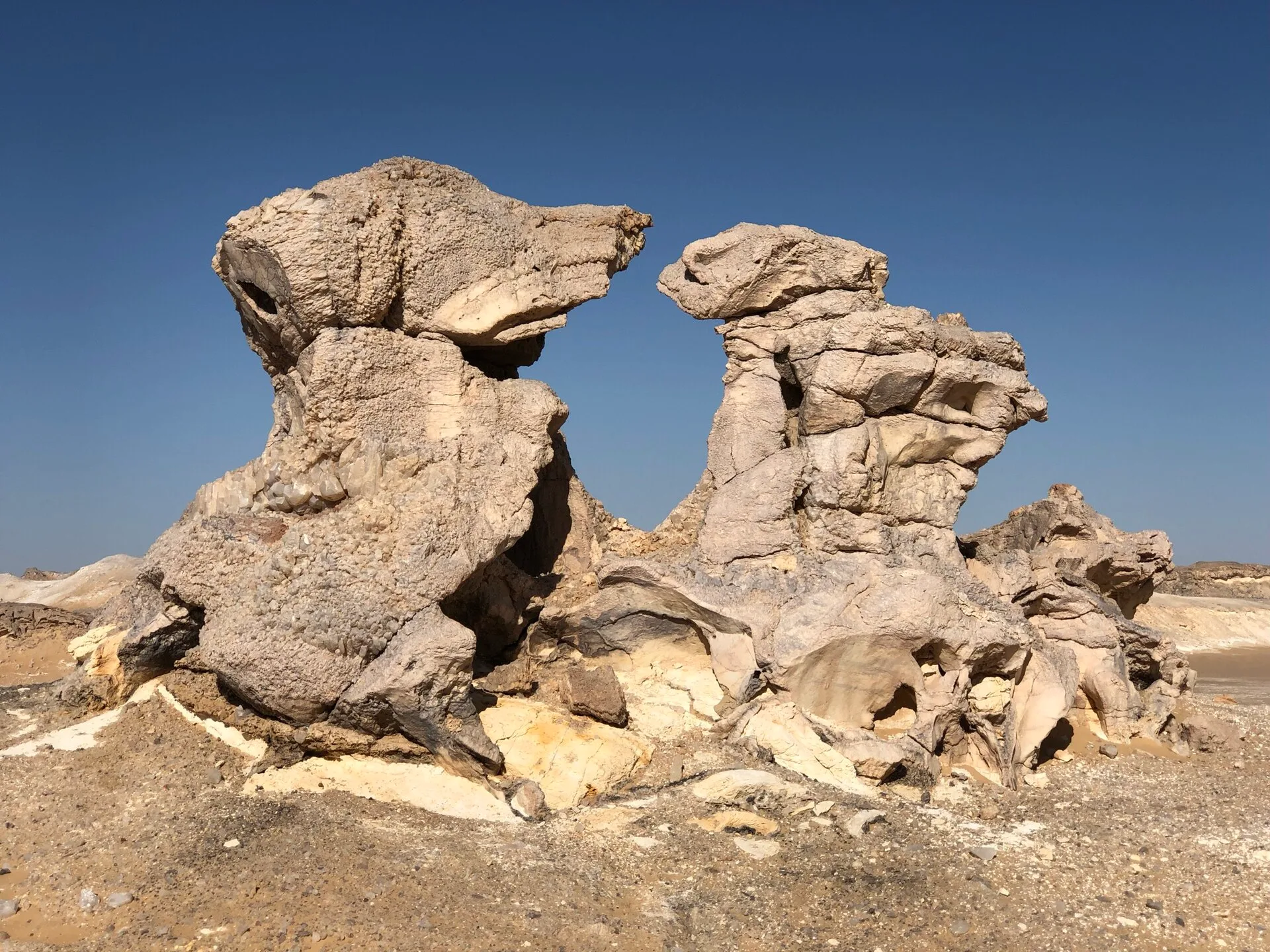
On the road between Bahariya and Farafra, Crystal Mountain is a worthwhile stop in its own right: a small ridge studded with baryte and calcite crystals, visible from the road and easy to pull over at for photographs. It adds only ten or fifteen minutes to the drive but is one of the more memorable roadside sights in the Western Desert.
How many days to spend in Farafra
Two full days, with one night camping in the White Desert, suit most travellers. That allows a day to settle in, see Qasr Farafra and Badr's Museum, and visit Bir Sitta in the evening, followed by a second day given over to the desert camp. Travellers with more time sometimes add a third day for a longer 4x4 route through the White Desert's less-visited sections, or to rest at the oasis before the long drive onward to Dakhla or back to Bahariya and Cairo. Fewer than two days means choosing between the oasis sights and the desert camp, which is possible but misses one or the other.
Best time to visit Farafra
October to April is the most comfortable stretch, with cooler days for walking and driving; nights are mild in October and April and cold from December to February, which is when the hot spring and the desert camp feel especially welcome. Midsummer in the Western Desert is very hot during the day, though mornings and evenings remain manageable and some travellers still prefer it for the lower numbers on the road. Nights in the desert camp are much cooler than the days year-round, and cold in midwinter, so pack a fleece or jacket alongside summer clothing whatever the season. For a broader look at weather across the country by month, see our guide to the best time to visit Egypt.
How to get to Farafra
Farafra sits on the Western Desert road, reached by driving south-west from Cairo through Bahariya Oasis, a journey that takes most of a day with stops. There are no flights to Farafra or Bahariya, so travel is by road: many visitors go by private 4x4 or minibus as part of a tour, though public buses also run from Cairo via Bahariya. Coming from Cairo, the road runs through Bahariya, so the two oases are easy to combine on one trip. Panda Travel Egypt's Discover the White Desert and Bahariya programme follows the same road as far as the White Desert, though it does not stop in Farafra town.
Getting around Farafra
The town itself is small enough to walk, and the old quarter, market and Badr's Museum are all close together. Bir Sitta and the White Desert, however, are outside town and require a vehicle, so a 4x4 with a local driver is the standard way to get between the spring, the desert camp and the oasis. Transport is easiest to arrange in advance as part of an itinerary rather than on arrival, since there is little infrastructure for independent car hire in Farafra.
Where to stay
Accommodation in Farafra itself is limited to a handful of small hotels, eco-lodges and camps, reflecting its small population. On the Discover the White Desert and Bahariya and Cairo and Desert Adventure programmes the White Desert night is spent camping rather than in a hotel. Nearby in Bahariya, the International Hot Spring Hotel is a family-run property on the eastern side of El Bawiti, a convenient base for travellers breaking the journey on the way to or from Farafra. Travellers starting or ending the trip in Cairo often add a night at a Giza-area hotel such as the Marriott Mena House or the Steigenberger Pyramids Cairo before or after the desert leg.
Programmes that include the White Desert
The White Desert features on Panda Travel Egypt's Discover the White Desert and Bahariya and Cairo and Desert Adventure programmes, both paired with Bahariya and the Black Desert; neither stops in Farafra town. The Discover the White Desert and Bahariya trip, linked above, covers Bahariya's golden mummies and tombs, the Black Desert, El Haize hot spring, Crystal Mountain, the Valley of Agabat and a night camping in the White Desert. The Cairo and Desert Adventure combines the same desert route with time in Cairo for the Pyramids and the Grand Egyptian Museum, useful for travellers wanting both ancient sites and desert scenery in one trip. For the full range of desert and oasis itineraries, browse the Desert Safari and Oases collection; travellers planning their wider route through Egypt can also see our guide to Cairo, Giza and the Grand Egyptian Museum for what to add before or after the desert leg, and our overview of Cairo as the usual starting point for any Western Desert trip.
Farafra rewards travellers who give it proper time rather than treating it purely as a drive-through on the way to the White Desert. Build in an evening at Bir Sitta, a walk through the old town, and a night under the desert's chalk formations, and the oasis earns its place on the itinerary on its own merits.