
Budget Egypt Tours: How to Cut Cost Without Cutting Sites
By Panda Travel Egypt Published Updated Reviewed by Ahmed Abdelmawgoud 8 min read
What actually drives the cost of an Egypt trip, and how to build a budget Egypt tour that keeps the guides and the sites but cuts the rest.

Budget Egypt tours cost less by swapping domestic flights for the Cairo-Aswan sleeper train, choosing a five-star Nile cruise over an ultra-luxury one, travelling in a small group rather than fully private, and timing the trip for shoulder season. None of this requires cutting licensed Egyptologist guides or skipping major sites.
Budget Egypt tours are not about picking the cheapest advert you find and hoping it works out. A week in a Red Sea resort with a day trip to Cairo bolted on is a fine holiday, but it is not a proper look at the country. If what you actually want is Giza, Luxor and Aswan done properly on a sensible budget, the saving comes from four specific decisions: how you move between cities, which class of Nile cruise ship you book, whether your guiding is private or shared, and what month you travel. Get those four right and you keep the licensed guides, the main sites and a workable route, while cutting the cost that does not change what you actually see.
What really drives the cost of an Egypt trip
Four things have a large effect on the price of a tailor-made Egypt itinerary. Trip length and hotel class also move the price a good deal, but these four are the ones you can actively choose between on a route built around Giza, Luxor and Aswan. Understanding them lets you choose where to spend and where to save, rather than just picking the lowest number on a page.
- Domestic flights versus the sleeper train. Flying Cairo to Luxor or Aswan is quick but adds a fixed cost per sector. The overnight sleeper train between Cairo and Aswan, stopping at Luxor, generally costs less and also saves a hotel night, since you sleep on board.
- Cruise boat class. A Nile cruise between Luxor and Aswan can run on a five-star ship or on an ultra-luxury ship closer to a floating boutique hotel. The sites you visit from the boat, Karnak, Edfu and Kom Ombo, are the same either way, and Abu Simbel is a separate excursion from Aswan on both. The difference is cabin size, public areas and service level.
- Private guiding versus group. A private Egyptologist and vehicle for every stop costs more than joining a small group with a shared guide. Both can be licensed and knowledgeable; the private option buys flexibility and pace, not better information.
- Season. Shoulder months bring lower hotel and cruise rates than the December to February peak, without the full heat of midsummer. Our season-by-season guide to the best time to visit Egypt sets out what each month is like for sightseeing.
Where it is safe to save money
Some savings cost you nothing in terms of what you see or learn. These are the ones worth taking first.
- Take the sleeper train instead of flying. It takes longer than a flight, roughly a full night rather than an hour in the air, but it removes a hotel night, and it is a genuine part of the Egypt experience rather than a chore. You still need a transfer to the station and another from it at the other end, much as you would to and from an airport.
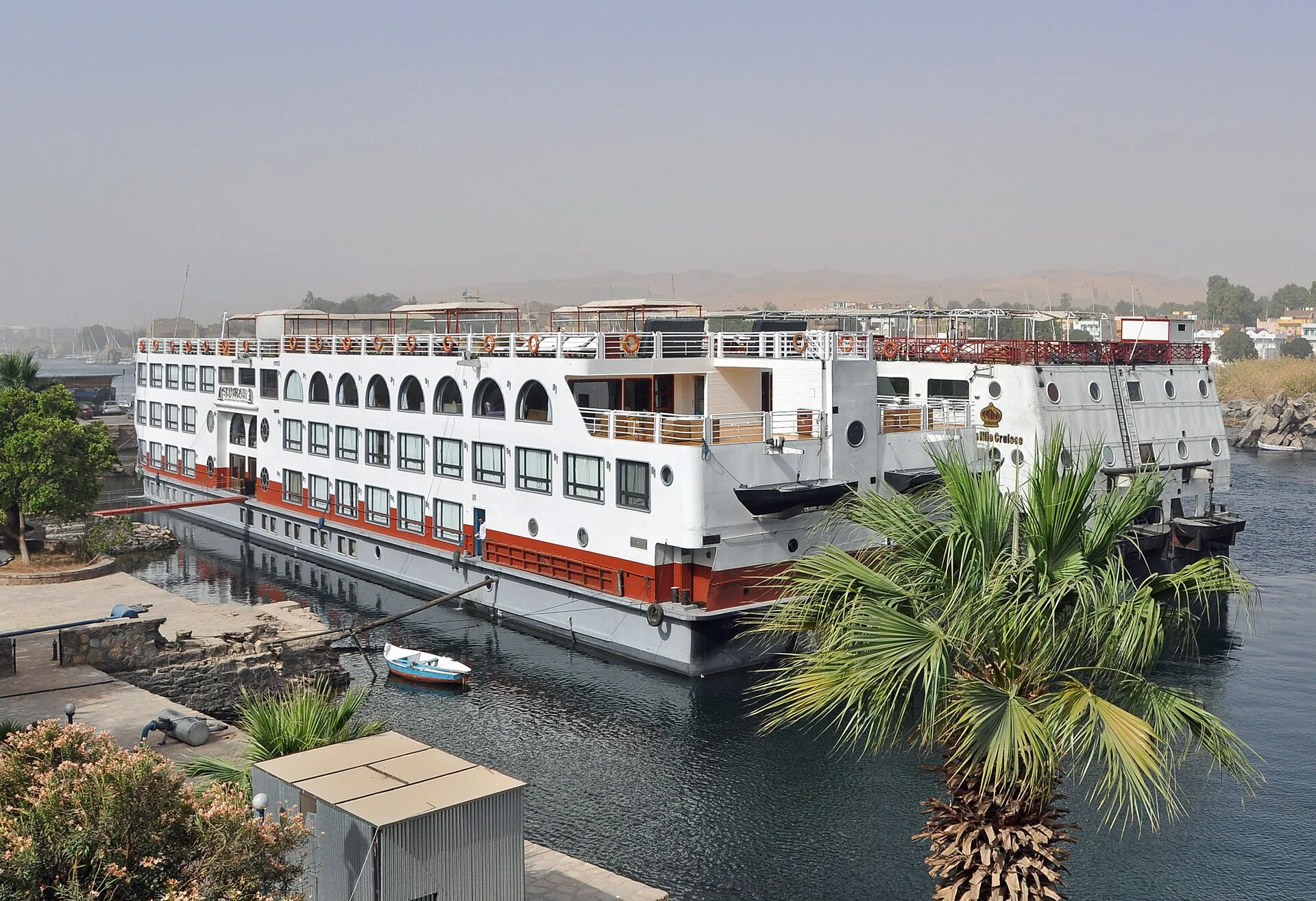
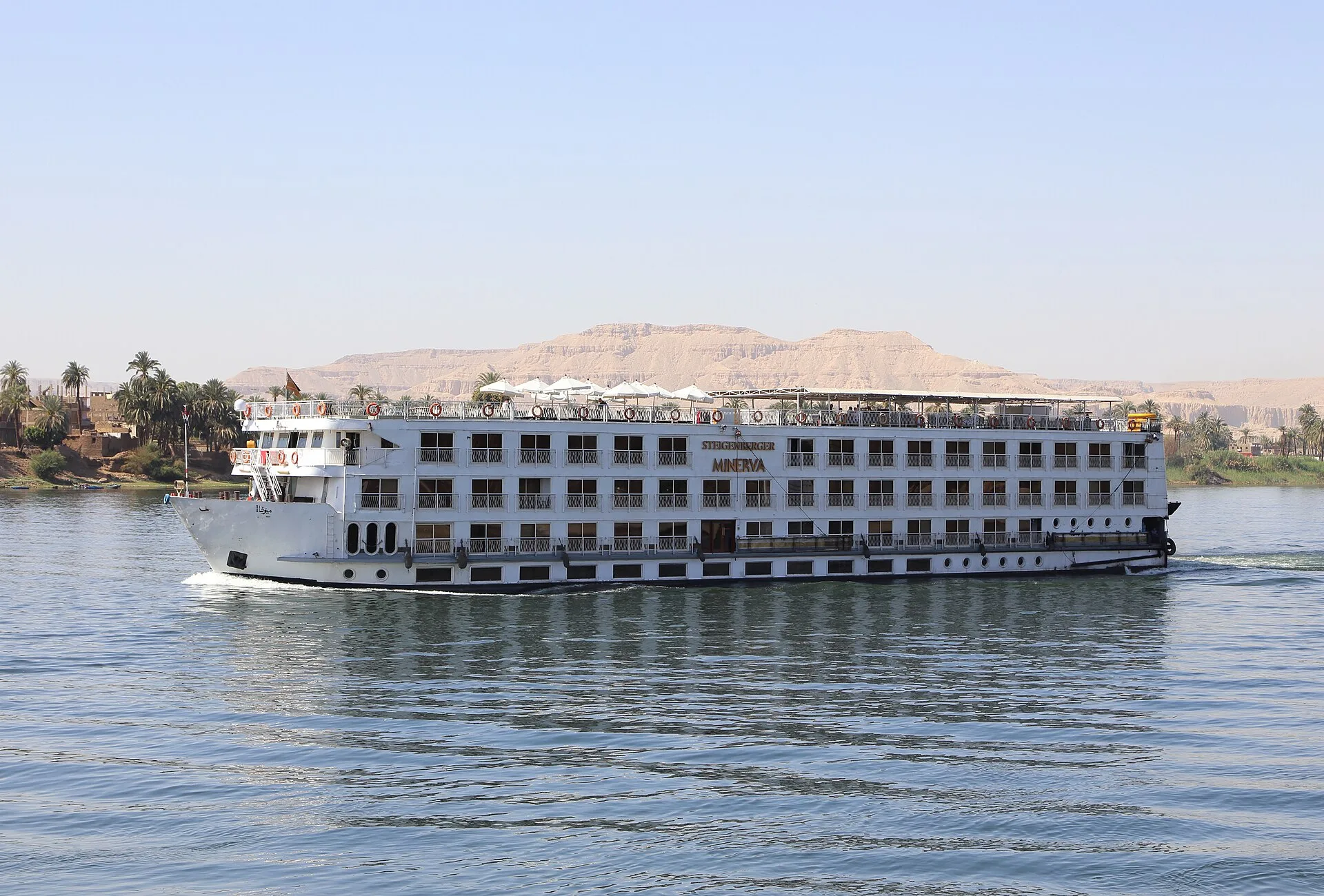
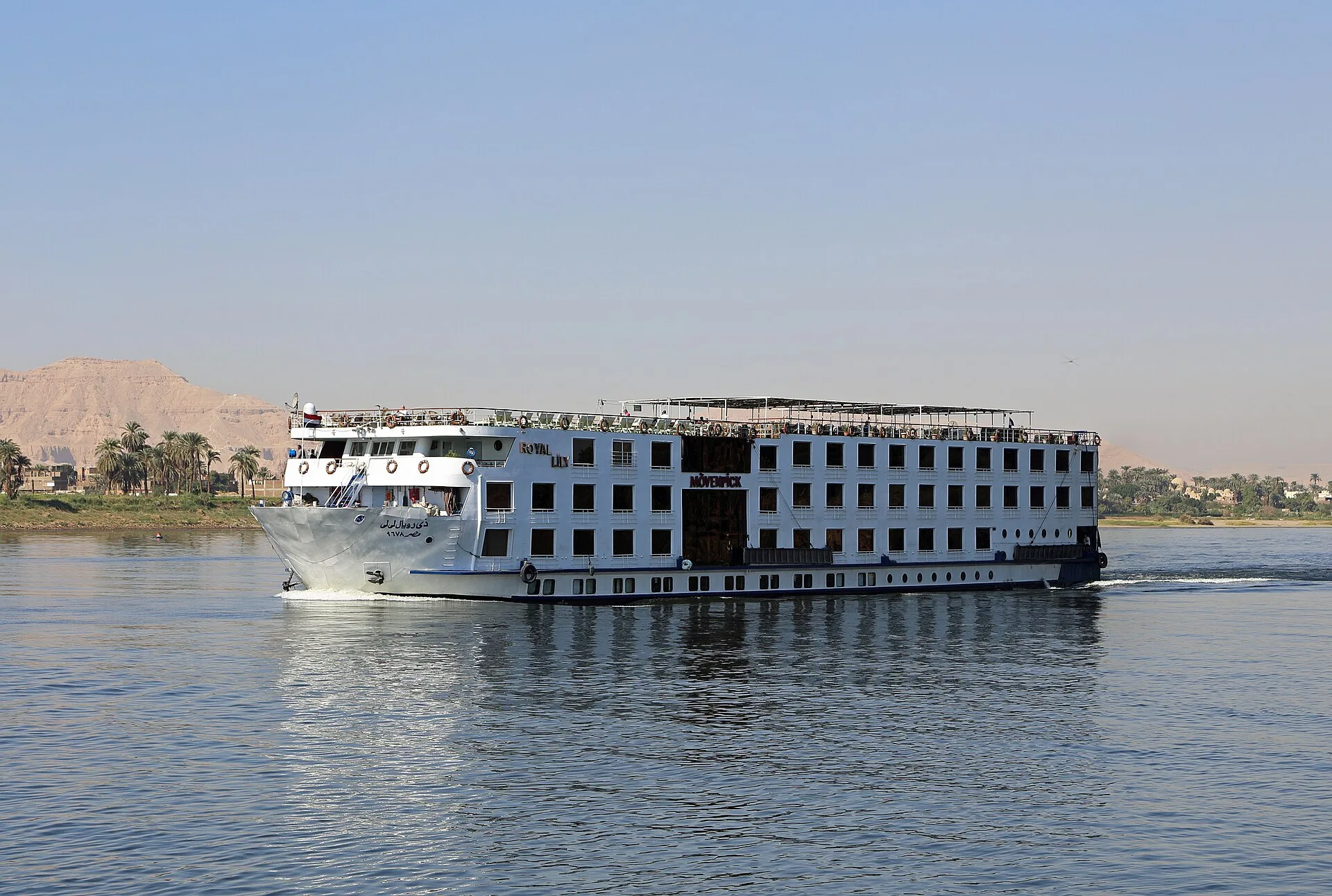
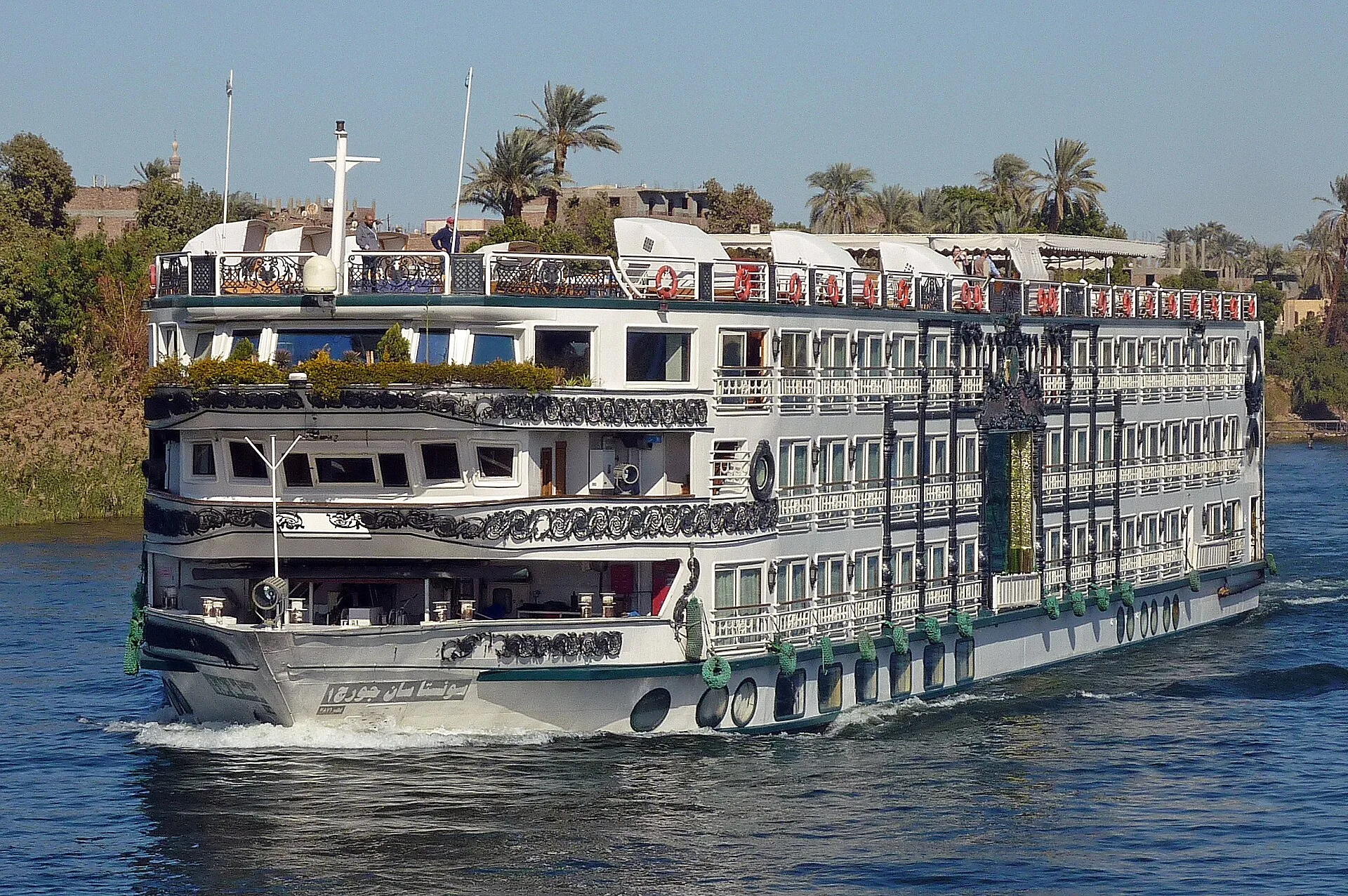
- Book a five-star Nile cruise rather than an ultra-luxury one. Five-star ships such as the Movenpick Royal Lily or the Steigenberger Minerva run the same Luxor to Aswan route, with the same temple stops, as the ultra-luxury boats. Our Luxor to Aswan Nile cruise guide sets out what each day on board looks like.
- Travel shoulder season. October, November, March and April bring lower rates on hotels and cruises than peak winter. In November and March daytime temperatures are mild; in October and April Luxor still reaches about 35°C, so open sites like Karnak or the Valley of the Kings are best seen early in the morning.
- Choose a tour in a sensible order. Cairo, then south by train, then the cruise north again to Luxor, costs less in time and transport than zig-zagging back and forth. Our article on how many days to spend in Egypt walks through workable routes for shorter and longer trips.
- Pack and plan for the climate rather than for comfort extras. Lightweight layered clothing, a hat and a refillable water bottle cost nothing extra and reduce how much you spend on bottled drinks, taxis to escape the heat, or last-minute purchases once you arrive.
- Book accommodation and cruise cabins together where possible. A single operator handling hotels, the sleeper train and the cruise cabin as one itinerary usually works out more efficient than booking each piece separately, since transfers between them are already arranged rather than paid for individually.
Where cutting cost actually costs you something
Not every saving is free. A few corners, once cut, change what you actually get from the trip, and they are worth knowing before you book on price alone.
- Unlicensed or informal guiding. A licensed Egyptologist guide is trained to read the sites, not just recite dates. Saving money by using an untrained local guide at the gate of a temple, rather than a guide travelling with your group, means you lose context at the one moment you most need it.
- Skipping the Grand Egyptian Museum or the Valley of the Kings to save an entry fee. These are the sites people travel to Egypt to see. Cutting them to trim the budget defeats the purpose of the trip.
- A rushed route with too much backtracking. A cheap-looking itinerary that has you flying back to Cairo and out again partway through often costs more in time and transport fees than a route planned in one direction.
- No cruise at all. Seeing Luxor and Aswan from hotels with separate taxis and guides is rarely cheaper than a five-star Nile cruise, which carries you between the temples and includes the meals and visits listed on each cruise programme.
- Cramming too much into too few days. A route that tries to cover Cairo, Luxor, Aswan and the Red Sea coast inside a week usually means early starts, late finishes and very little time actually standing in front of the sites you came to see. A slightly longer, calmer route is often the better saving, since you are not paying for days that feel rushed.
A worked example: what a lower-cost itinerary includes and skips
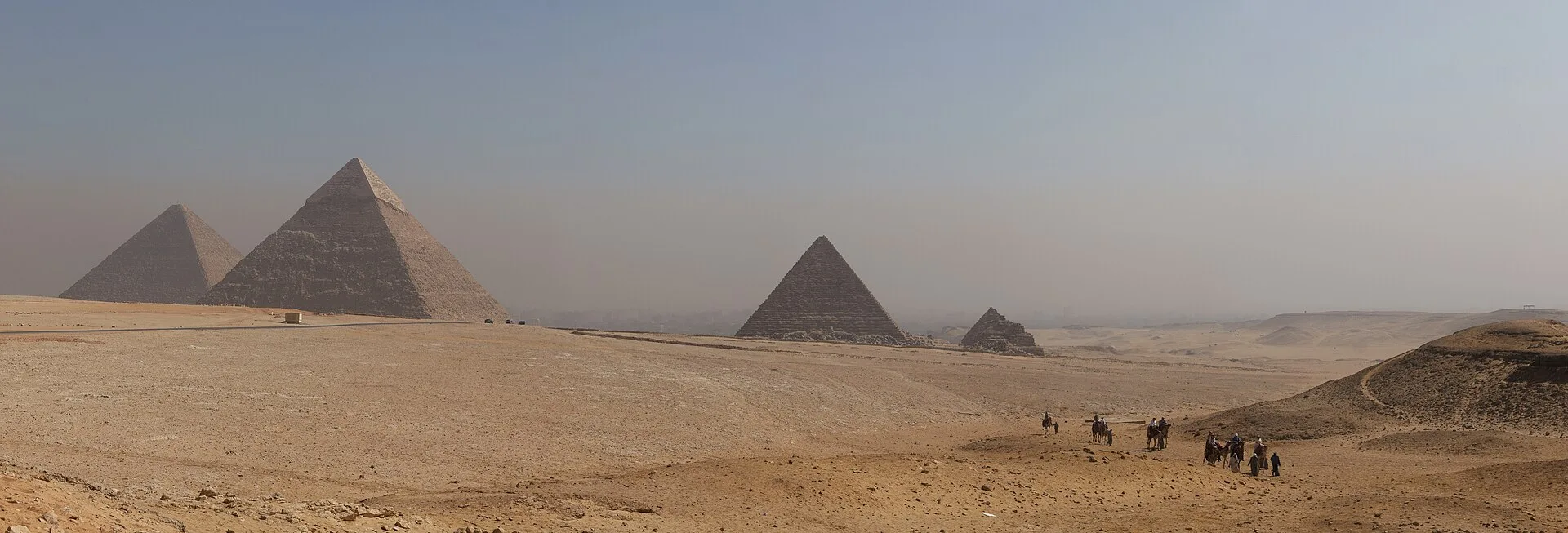
To make this concrete, here is roughly how a budget-minded Egypt itinerary is usually built, compared with a full private version of the same route. A lower-cost itinerary can cover Cairo and Giza, then the sleeper train south to Aswan, then a Nile cruise north to Luxor; our Pyramids and Nile Escape Budget Program follows this route with three nights on a five-star ship.
| Element | Budget approach | Full private approach |
|---|---|---|
| Cairo to Aswan transfer | Overnight sleeper train | Domestic flight |
| Nile cruise | Five-star ship | Ultra-luxury ship |
| Guiding | Small group with shared Egyptologist | Private guide and vehicle throughout |
| Season | Shoulder months (Oct, Nov, Mar, Apr) | Any month, including peak winter |
| Sites visited | Pyramids, Sphinx, Grand Egyptian Museum, Karnak, Valley of the Kings, Edfu, Kom Ombo | Same sites; optional extras such as Abu Simbel or a hot air balloon can be added to either approach |
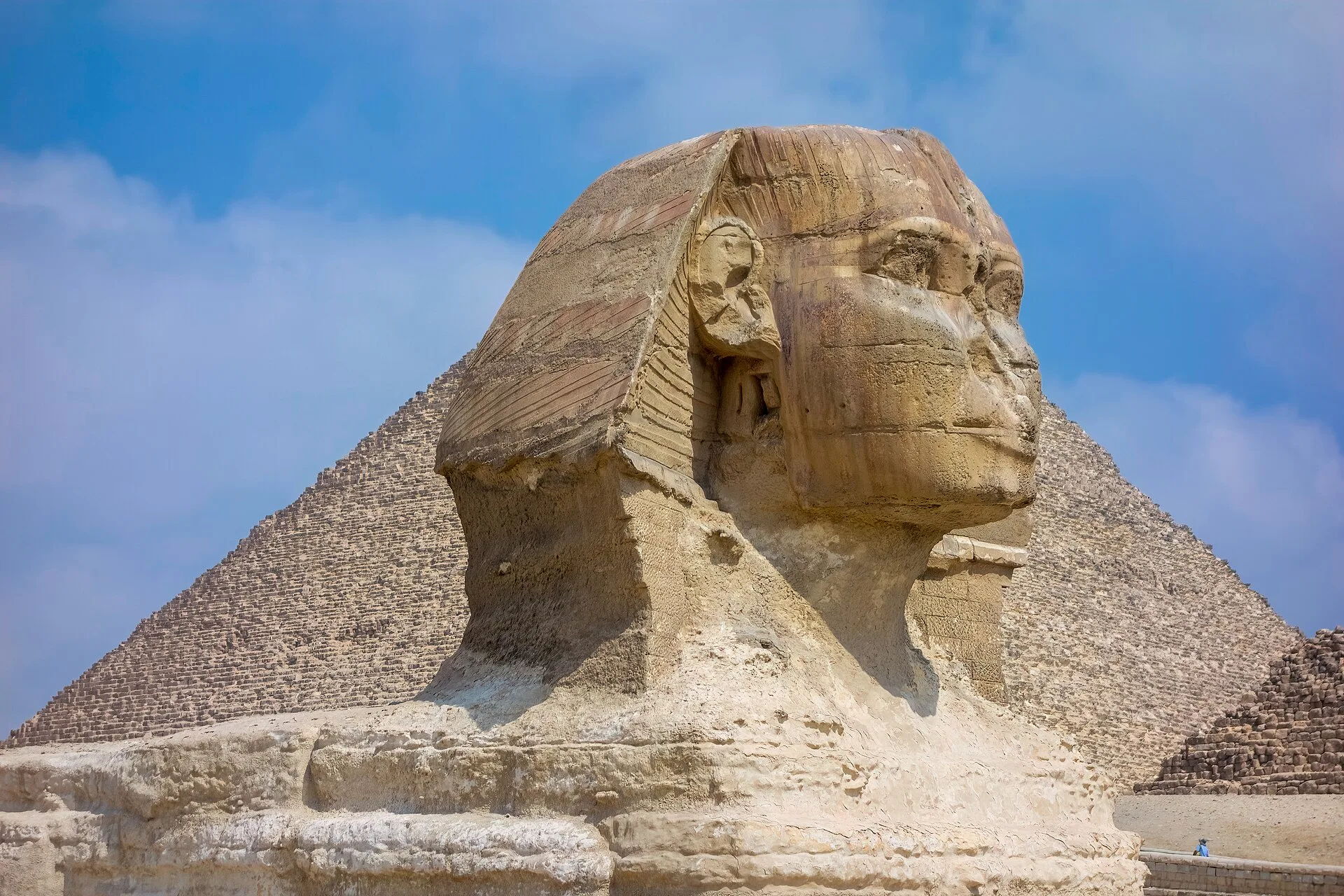
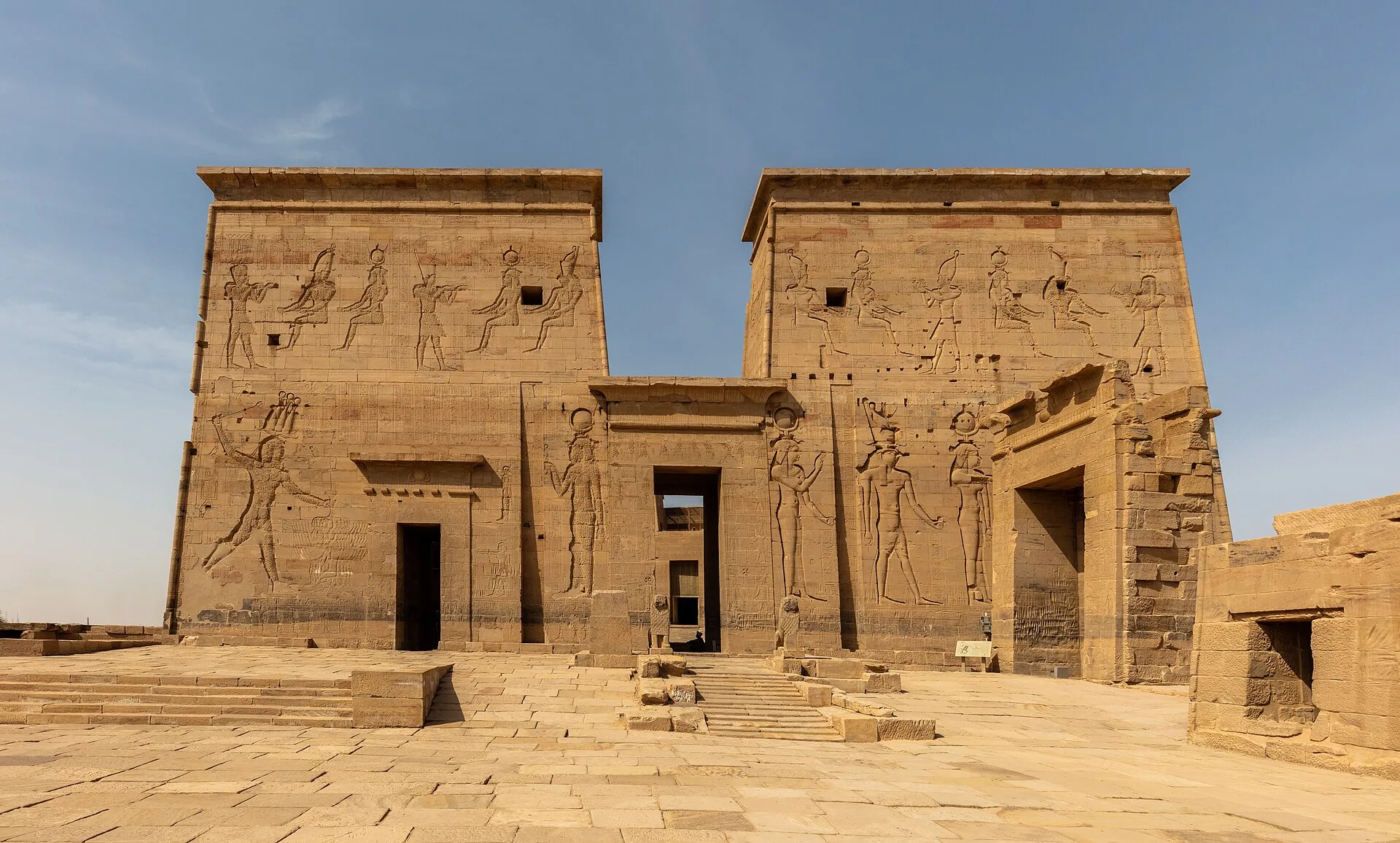
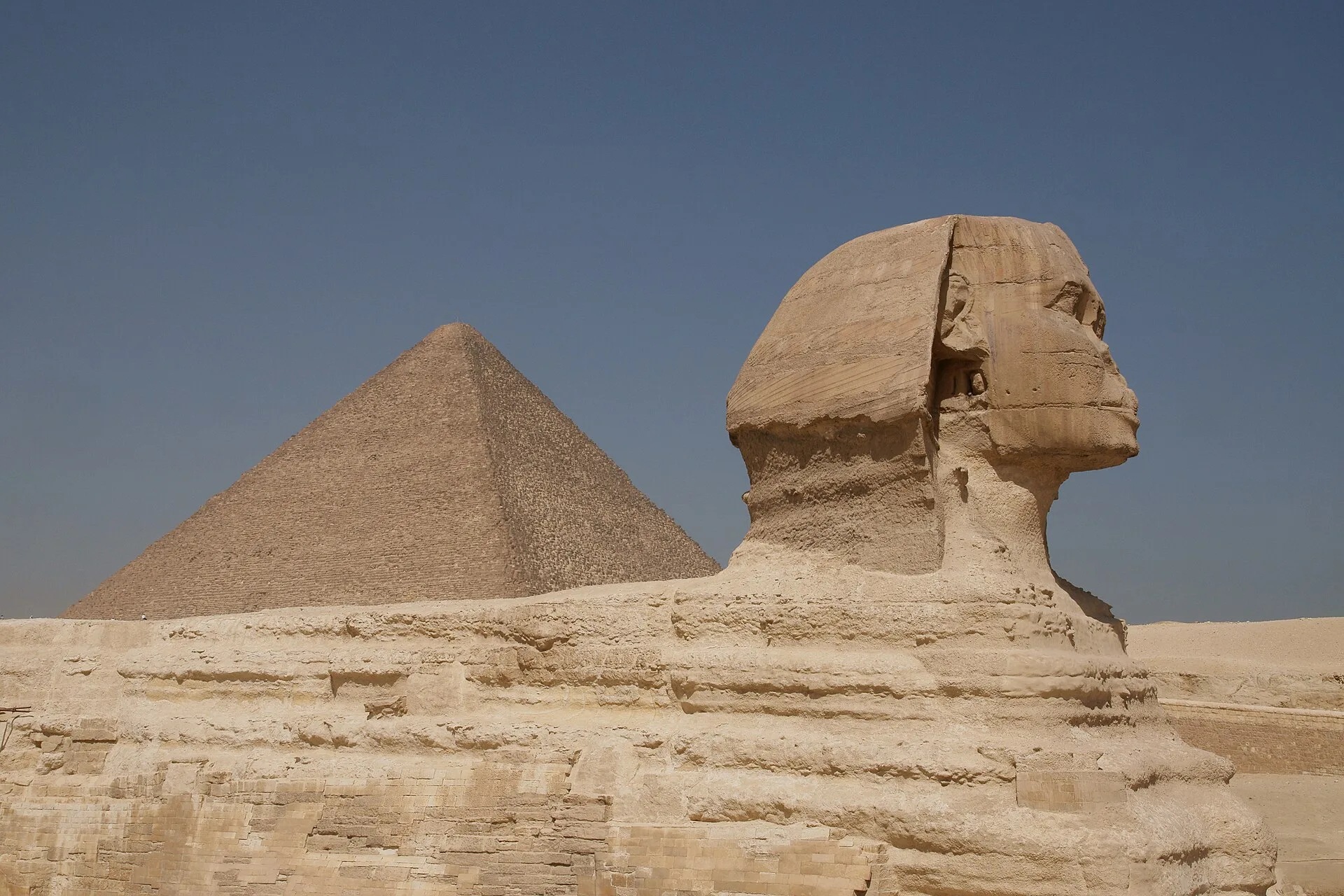
Our Pyramids and Nile Escape Budget Program follows exactly this pattern: the Pyramids, Sphinx and Grand Egyptian Museum in Cairo, the overnight sleeper train south to Aswan, then three nights on a five-star Nile cruise north to Luxor, taking in Philae, Kom Ombo, Edfu, Karnak and the Valley of the Kings along the way. It keeps the main sightseeing of a full private trip; it simply chooses the sleeper train over a flight and a five-star cruise over an ultra-luxury one. The wider Budget Egypt collection groups our lower-cost programmes.
How to compare budget Egypt tour packages properly
Price alone tells you very little. When you are looking at two itineraries at different prices, check these points before deciding:
- Is the guide a licensed Egyptologist? Ask whether your guide is a licensed Egyptologist; it makes a large difference to how informative the trip feels.
- What is actually included at each site? Entry tickets, transport to and from the site, and guiding time should all be listed, not assumed.
- How many nights are on a moving cruise versus a static hotel? A cruise night includes the meals and site visits listed on each cruise programme in one price; a hotel night usually covers only the room and breakfast.
- What is the route order? A route that moves in one direction, Cairo, then south, then back north by cruise, is more efficient than one with repeated flights to and from Cairo.
- Is there a named operations contact during the trip? Ask your operator who handles changes on the ground, such as a delayed train or a shifted cruise schedule, so that it gets sorted without you having to chase it yourself.
- Are transfers between the airport, hotels and the cruise included? A price that looks low on paper can grow quickly once you add taxis for every transfer that a bundled itinerary would already cover.
Budget options beyond the classic Cairo, Luxor, Aswan route
If your budget constraint is really about time rather than money, a shorter Cairo-based trip can also keep cost down while covering the essentials. Discover Cairo Like Never Before covers the Pyramids, the Grand Egyptian Museum and the royal mummies in four days without the added cost of a flight or a cruise. For travellers who want some desert scenery alongside the ancient sites without the cost of the full south, Discover the White Desert and Bahariya adds the White Desert and Bahariya Oasis to a Cairo stay, all by road from the capital. Both routes avoid the cost of a domestic flight or a cruise cabin altogether, which suits a traveller with limited days rather than a limited budget for the whole trip.
A practical starting point
If you are planning a first trip and want to see the main sites without paying for things that do not add to the experience, start by deciding whether you have time for the sleeper train, then decide whether you want a five-star or an ultra-luxury Nile cruise, then pick shoulder season if your dates allow it. Those choices, the train, the cruise class, the guiding and the season, will usually do more to set your final price than any single discount. Browse the full range of Egypt tour packages with those filters in mind, and the right budget itinerary becomes much easier to spot.
Sources
Plan Pyramids and Nile Escape Budget Program
Tell us your dates and who is travelling. We reply with the programme day by day, and its price.
Frequently asked
Can you see Egypt properly on a budget tour?
Yes. A well-planned budget Egypt tour still visits the Pyramids, the Grand Egyptian Museum, Luxor's temples and the Valley of the Kings, and still uses a licensed Egyptologist guide. The saving comes from how you travel between cities, which class of cruise ship or hotel you choose, whether your guiding is shared or private and when you travel, not from skipping sites.
What is the cheapest way to travel between Cairo and Luxor or Aswan?
The overnight sleeper train between Cairo and Aswan, stopping at Luxor, generally costs less than a domestic flight and saves a hotel night, since you sleep on board. You still need transfers to and from the station, just as you would to and from an airport. It takes longer than flying, so it suits travellers who are not short on time.
Is a Nile cruise still worth it on a tight budget?
Yes. A five-star Nile cruise between Luxor and Aswan covers transport between the temples and the meals and visits listed on each cruise programme in one price, which is usually more efficient than paying for hotels, restaurants and taxis separately in both cities.
When is the cheapest time to visit Egypt?
Shoulder season, meaning October, November, March and April, tends to bring lower hotel and cruise rates than the December to February peak. November and March are mild, while October and April can still reach about 35°C in Luxor and Aswan, so midday sightseeing is best done early. Midsummer is cheaper still but very hot for touring.
Do budget Egypt tours use shared transport and group guiding?
Small-group guiding at sites, rather than a private car and guide for every stop, is one way to lower the cost of a tour. Transport between cities, such as the sleeper train, is usually shared with other passengers rather than private.
What should I check before booking a cheap Egypt tour?
Confirm the guide is a licensed Egyptologist, check which meals and entry tickets are included, see how many nights are on a moving cruise versus a static hotel, and check the order of the route, since backtracking between cities adds cost and wastes time.
Places in this article

Tours for this trip
 Budget Egypt
Pyramids and Nile Escape Budget Program
8 days · 7 nights3 nights on the Nile5 places
View tour
 Classic Egypt Tours
Pyramids and Nile Escape Program
8 days · 7 nights4 nights on the Nile5 places
View tour
 Nile & Red Sea
From the Red Sea to the Nile
8 days · 7 nights4 nights on the Nile7 places
View tour
Nile cruises for this trip

Where to stay



Read next
- Khan El Khalili Bazaar Guide: Walking Islamic Cairo in Order A local operator's walking order through Islamic Cairo: Al Muizz Street, its mosques and madrasas, and Khan El
- Old Cairo Coptic Quarter: A Walking Order That Actually Works A sight-by-sight walking order for the Old Cairo Coptic Quarter, how long it really takes on foot, and how it
- Saqqara and Dahshur: A Local Operator's Day Trip Order A local operator's order of visits for Saqqara and Dahshur, with realistic timings, drive distances and what t
- Grand Egyptian Museum Tickets and Tips: A Visit Plan That Works A practical plan for Grand Egyptian Museum tickets, gallery order, timing and how it fits with a Giza pyramids